Untreated, unscreened wastewater has been discharged into Tarakena Bay. Check LAWA.org.nz before visiting beaches.

Between approximately 8 am on 25 June and 7 am on 26 June, the short outfall pipe discharged untreated wastewater into Tarakena Bay.

Signs are in place along the coastline to alert water users of areas which may be impacted by this event. Water quality samples will be collected from coastal locations once improved weather conditions allow. 

Check LAWA.org.nz before visiting beaches along the south coast. 

Public health information can be found on Health NZ's website

Wellington Water crews responding to wastewater overflow on State Highway 2

Our team is responding to a wastewater overflow on State Highway 2 which has stopped this afternoon. The overflow was from a manhole on the southbound lanes close to the Ngauranga exit, discharging into the habour through the stormwater drains.

While the overflow has stopped, our teams are working to clear a blockage which still remains. They are working at pace to identify the blockage and get this cleared. 

One southbound lane clasure remains in place approaching Ngauranga while work is underway.

In this section

Shower Efficiency Factsheet

Make your shower water efficient - Saving water helps nature and your budget.
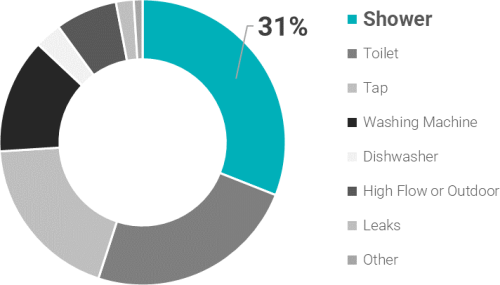
How much of your water use is from showers?

With a water efficient showerhead, you could save up to $300 on your power bill per year*

*Based on a three person household taking one 8
minute shower per person per day, and replacing a
14 L/min shower head with a 9 L/min shower head
But water is free, right?

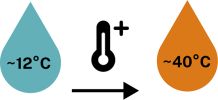
Most users pay for water through rates. Plus, heating water for showers contributes around $1000 to your yearly energy bill. The good news is that cutting down the amount of water you use saves power and money.

*A volumetric charge may also apply to some users.

Every drop of water you save is a drop of water that stays in our rivers and aquifer. That’s good for the environment, and our communities!
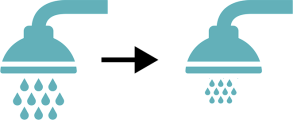
How can I save money?

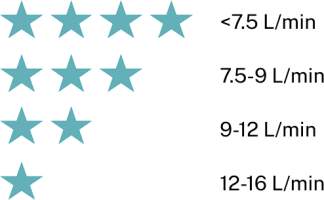
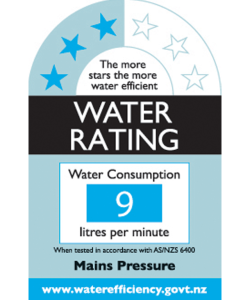
Upgrade to a higher-efficiency shower head for water and cost savings without compromising on comfort — opt for a 3-Star or higher WELS rated model. In most cases you can replace this yourself but some older showers may require a plumber.

How efficient is my shower?

A simple way to find out is to measure how much water your shower uses per minute.

First, you’ll need a jug or bucket that you can measure a litre in. Then, time how many seconds it takes your showerhead to fill it to the one litre mark. Divide 60 by the number of seconds it takes, and you’ll get the ‘flow rate’ in litres per minute!